The Rule: Wait Before You Flush Again
After a flush that does not clear, wait. Water in the bowl will drop slowly if the clog is partial, and it will stay high if the clog is solid. If the level is dropping, the toilet is draining and you can try another flush once it stops.
If the level is not moving, do not flush. The tank holds more water than the bowl can take, and the overflow is certain.
Read the Bowl Before You Act
What the bowl does tells you what to do.
| What you see | What it means | What to do |
|---|---|---|
| Water drops slowly | Partial clog | Wait, then plunge |
| Water stays at the rim | Solid clog | Do not flush. Plunge. |
| Bowl empties but flush is weak | Clogged rim jets or a partial clog | Plunge and test |
| Gurgling and bubbles in other fixtures | Main line blockage | Stop using water and call |
| Water rising in the tub or floor drain | Main line blockage | Stop using water and call |
If more than one fixture reacts, the toilet is not the problem.
Toilet or drain backing up?
Call dispatch and describe what the fixtures are doing.
Clearing a Toilet Clog Safely
These steps cover most toilet clogs.
Stop the tank
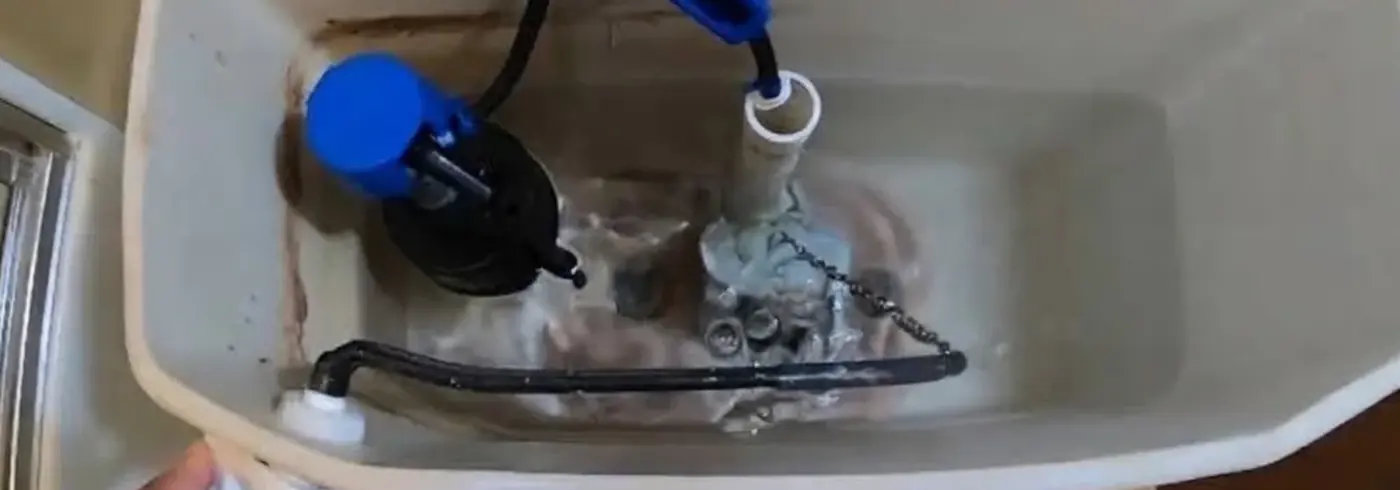
Lift the tank lid and push the flapper down, or close the valve behind the toilet.
Lower the water
If the bowl is near overflowing, bail out some water with a cup.
Plunge
Use a flange plunger and push and pull steadily for about twenty seconds.
Test
Pour in a bucket of water to confirm it drains before you flush.
Burbank Toilets Are Low-Flow by Law
The Illinois Department of Public Health approved Burbank's ordinances adopting the Illinois Plumbing Code in January 2016, and the ordinances require WaterSense-labeled new and replacement fixtures. WaterSense toilets use 1.28 gallons per flush or less.
Low-flow toilets work well when they are not asked to move too much at once. Use less paper, and flush in two stages if needed. The South Stickney Sanitary District also notes that toilets are the top cause of lost water in its customers' homes, so a toilet that keeps running deserves a fix.
Source: IDPH approval of Burbank plumbing ordinances (January 13, 2016) and South Stickney Sanitary District FAQ.
Do Not Pour Drain Cleaner Into a Toilet
Chemical drain cleaners can crack porcelain and splash when a plunger is used on them. They also create a hazard for the plumber who clears the clog.
If you have used a product, tell the plumber. It affects how the work is done safely.
Items That Should Never Be Flushed
Most stubborn clogs are caused by what goes down.
- Wipes, including products labeled flushable
- Paper towels and tissues
- Feminine products and cotton swabs
- Dental floss and hair
- Toys and other objects
If an object is stuck, a closet auger or a toilet removal is needed, and our toilet repair service can help.
When It Is the Main Line, Not the Toilet
If the toilet gurgles when you run the washer, or the tub fills with water when you flush, the main line is blocked. Stop using water and call. The South Stickney Sanitary District asks residents to call it first on a sewer backup so it can check the mains, and our sewer line cleaning service handles the house line.
A basement floor drain that bubbles is a strong sign of the same problem.
Parts of the Toilet That Cause Weak Flushes
Not every slow toilet is clogged. These parts affect flushing.
- The rim jets under the bowl rim, which can clog with mineral scale
- The flush valve and flapper, which control how much water enters the bowl
- The trapway, the curved channel behind the bowl
- The vent, which keeps air flowing so that water can move
- The wax ring and flange, which seal the toilet to the drain
If a toilet is weak after plunging, one of these parts may be at fault, and our toilet repair service can check them.
Teaching Everyone in the House
The best fix for clogged toilets is a household rule. Put a bin with a lid in each bathroom and tell everyone, including guests, that wipes, floss and cotton swabs go in it.
Keep a plunger and a small bucket where you can reach them, and show family members how to close the valve behind the toilet.
When to Stop and Call a Plumber
If the water level rises toward the rim, stop flushing right away and lift the tank lid to close the flapper. Then turn the supply valve clockwise to stop the tank from refilling.
Call for help if the plunger does not clear the bowl after a few tries, if more than one fixture is backing up or if you see water on the floor around the base. Those are signs of a problem beyond the bowl.
Nearby Homes and Shared Habits
Homes in Oak Lawn and Stickney share the same low-flow rules and the same wipe problem. The steps are the same.
A toilet that clogs often should be checked for a partial blockage downstream.
Sources and Fixture Standards
Toilets are made to ASME A112.19.2, and WaterSense models use 1.28 gallons per flush or less. Only toilet paper belongs in a toilet, whatever a wipes package says.
The Metropolitan Water Reclamation District publishes guidance on what belongs in a sewer.
Clogged Toilet Questions in Burbank
Only if the bowl water level is dropping steadily. If it stays high, do not flush.
If only the toilet is affected, it is a toilet clog. If other drains gurgle or back up, the main line is blocked.
We recommend not flushing them. They do not break down like paper and snag in pipes.
Not when they are used as intended. They work well with moderate paper and a full flush.
Close the valve behind the toilet and stop using water. Call if the water keeps rising.
Toilet will not clear? Call dispatch.